What Is Stoicism?
A simple introduction to Stoic daily practice
A Stoic daily practice is not a mood, a mantra, or a morning aesthetic. It is a small set of repeatable acts that keep attention pointed at what is within your control and keep the body, the mind, the plate, and the relationships in alignment.
What follows is the version practiced here. It is secular, functional, and built to survive ordinary days — work, fatigue, interruption — not just the days you feel like a philosopher.
The Three Anchors of the Day
Morning — Set the standard. Before the day begins, name what is in your control today and what is not. Pick one thing you will refuse to postpone. Remember the day is not guaranteed (memento mori). This takes two minutes, not twenty.
Midday — The corrective. When you catch yourself in resentment, comparison, distraction, or delay, name it and return. The point is not to never drift. The point is to notice sooner each time.
Evening — The review. Three honest questions: What did I do well? Where did I drift? What will I do differently tomorrow? Brief, in writing if possible. See the journal for a template.
The Four Pillars
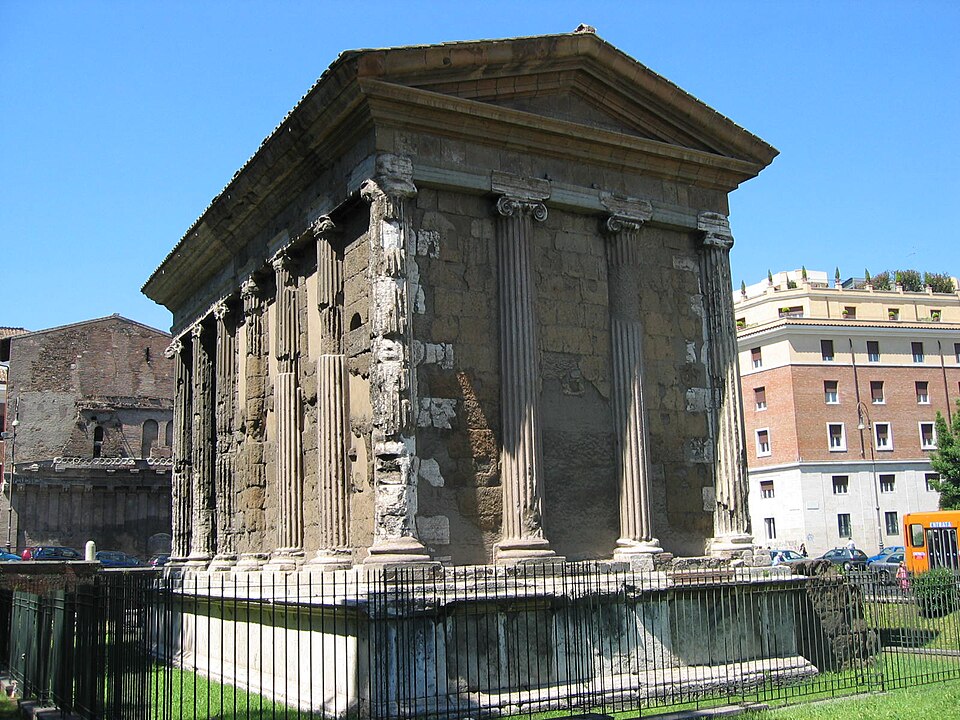
A Stoic daily practice is not only mental. The discipline runs through four pillars, each with its own daily expression:
Mental. Attention, reading, and the deliberate practice of difficulty. A short passage from Marcus, Seneca, or Epictetus. One hard cognitive task done without distraction.
Physical. The body trained, not pampered. Movement every day, real effort several times a week, posture held under load.
Nutritional. Function over flavor. Eat for the work the body has to do. See practices at the table.
Relational. One honest contact a day. Speak plainly. Owe no one a delayed reply you keep rehearsing.
The Weekly Counterweights
Daily practice is held in place by a few weekly correctives so it does not collapse into routine. Once a week, run the Self-Test — a short, four-part check on whether the discipline is still discipline or just habit.
Once a week, return to the Leadership Standard and the Governing Virtues. Read one. Ask where you fell short. Adjust without drama.
What It Is Not
It is not a productivity system. The goal is not to do more. The goal is to do what matters and stop doing what does not.
It is not a wellness routine. There are no affirmations, no manifestation, no morning cold-plunge theatrics required. The Stoics had none of these and lacked nothing.
It is not religious, though it borrows freely from older contemplative traditions. The practice is secular: an honest acknowledgment of nature, used as a tool for proper living.
Where to Begin
Start with the three anchors — morning, midday, evening — for one week. Nothing else. When those hold without effort, add one pillar at a time. The whole structure is laid out on the Journey.
For a single reflection to begin with today, draw one at random.
Hoc est opus. Et satis est.
This is the work. And it is enough.